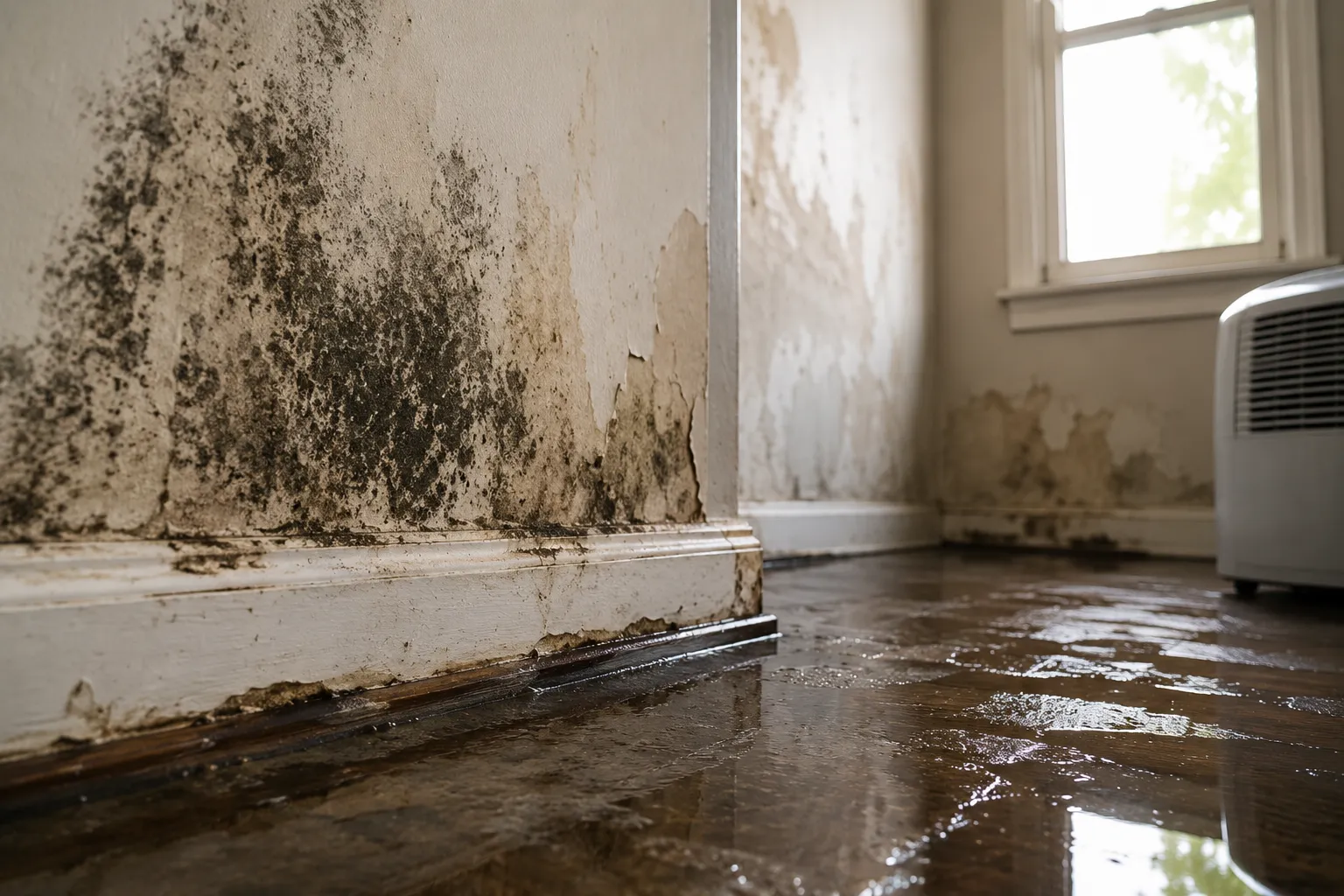
Toxic Mold Exposure, Tenant Rights, & Habitability Claims
Our dedicated team fights for tenants who have been injured or neglected by their landlords. Just because you rent your home doesn’t mean you don’t have rights.
We fight against landlords who fail to keep your home safe and livable. California law requires landlords to provide habitable housing — free from serious problems that can harm your health. When they don’t, it’s negligence, and you may be entitled to compensation.
Habitability Issues We Handle
We help tenants dealing with:
- Toxic mold exposure (our primary focus)
- Water damage and leaks that lead to mold
- Rodents and pests
- Bed bugs and other infestations
- Illegal, Unlicensed, and Unpermitted ADU (additional living units)
- Other unsafe conditions caused by poor maintenance
Toxic mold is especially dangerous because it can grow hidden behind walls, under floors, or in ceilings after leaks or poor ventilation. It releases mycotoxins that can make you seriously ill.
Symptoms of Toxic Mold Exposure
Mold exposure affects people differently, but common symptoms include:
- Respiratory issues like persistent coughing, wheezing, or shortness of breath
- Frequent headaches or migraines
- Fatigue, brain fog, or difficulty concentrating
- Eye, nose, or throat irritation
- Skin rashes or itching
- Sinus problems or recurring infections
- Cognitive problems like memory issues, mood changes, or worsening of asthma and allergies
If you’re experiencing these symptoms and suspect mold or other habitability problems in your rental, don’t ignore it — your health matters.
Tenant Rights
As a California tenant, you have strong protections:
- Your landlord must repair habitability issues within a reasonable time after being notified.
- You cannot be retaliated against (evicted, harassed, or given a rent increase) for complaining about unsafe conditions.
- You may be able to recover money for medical bills, lost wages, pain and suffering, relocation costs, and more.
What You Should Do Right Now
1. Notify your landlord in writing — Send a dated letter or email describing the problem (mold, leaks, pests, etc.) and request repairs. Keep a copy.
2. Document everything — Take clear photos and videos, save all communications, and note dates and symptoms.
3. See a doctor — Get your symptoms evaluated. If mold is suspected, ask about testing for mycotoxins or other environmental toxins.
How We Can Help
We handle most of these cases on a contingency basis, you pay nothing upfront, and we only get paid if we win compensation for you.
You don’t have to live in unsafe conditions or suffer in silence. If mold, pests, water damage, or other habitability issues are affecting your health or your home, contact us today for a free, confidential consultation. We’re here to help you get justice and a safer place to live.